
Polyaspartic Epoxy Coatings · Livonia

Polyaspartic Epoxy Coatings for Garage and Shop Floors in Livonia, MI

We roll a clear polyaspartic topcoat over your epoxy base, and you can walk on it the same evening.

1 day installs · typical timeline
Free Quote

Free Polyaspartic Epoxy Coatings quote.

We reply within 1 business hour. No spam, ever.

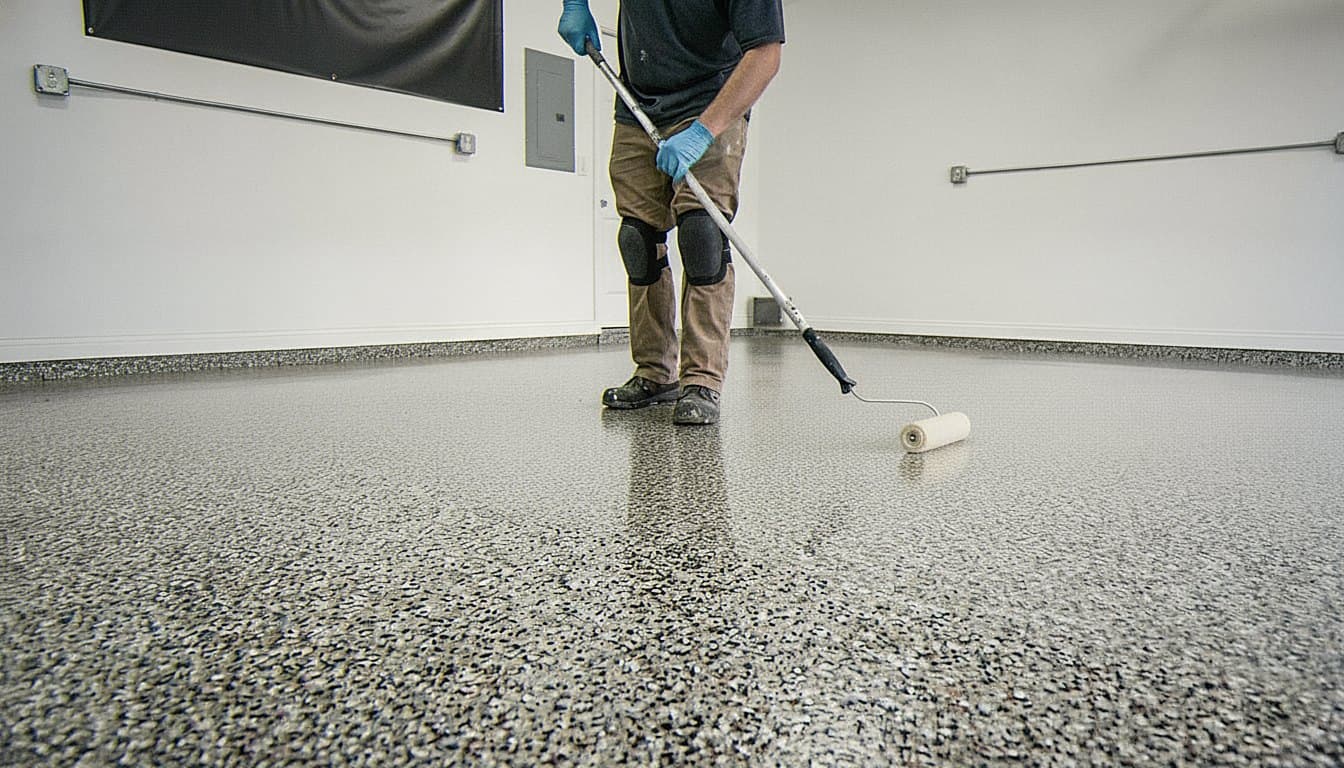
Slate flake floor under shiny polyaspartic coat.
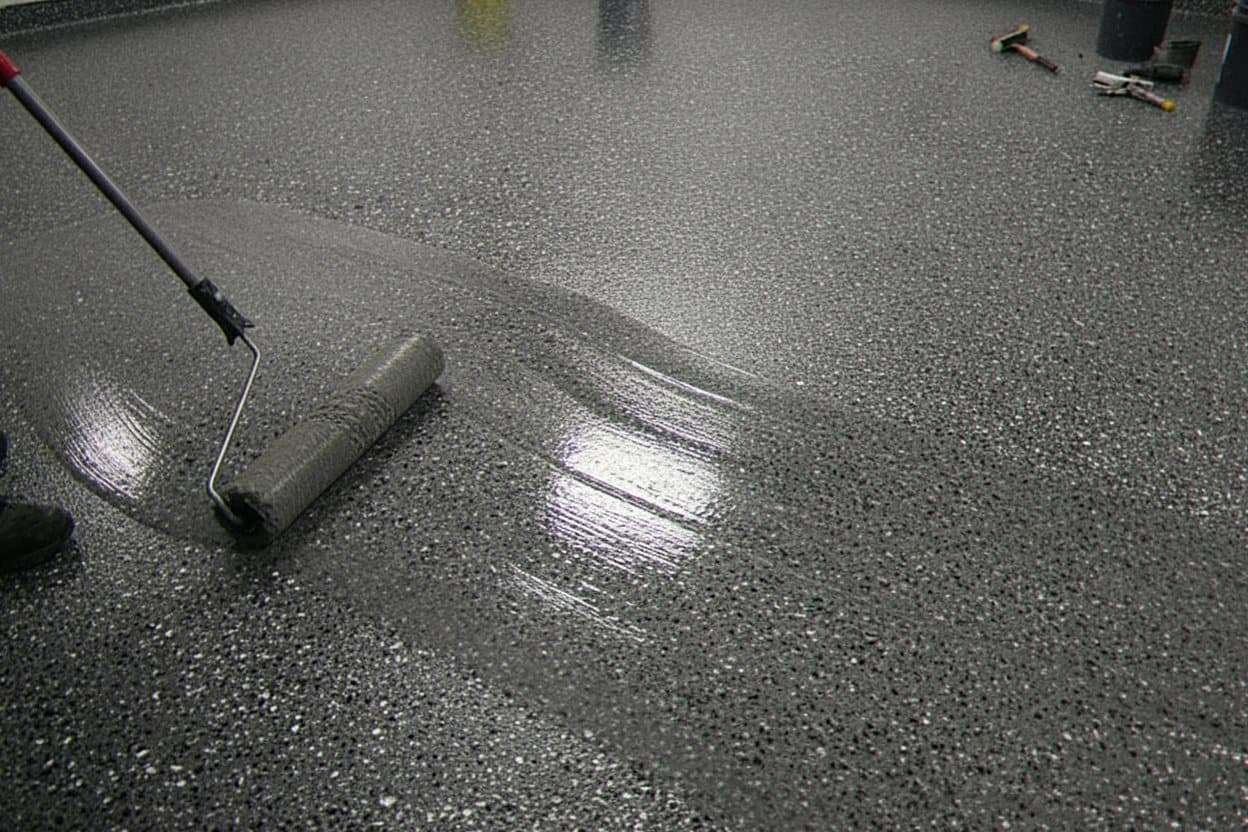
Clear polyaspartic roller application over wet base.
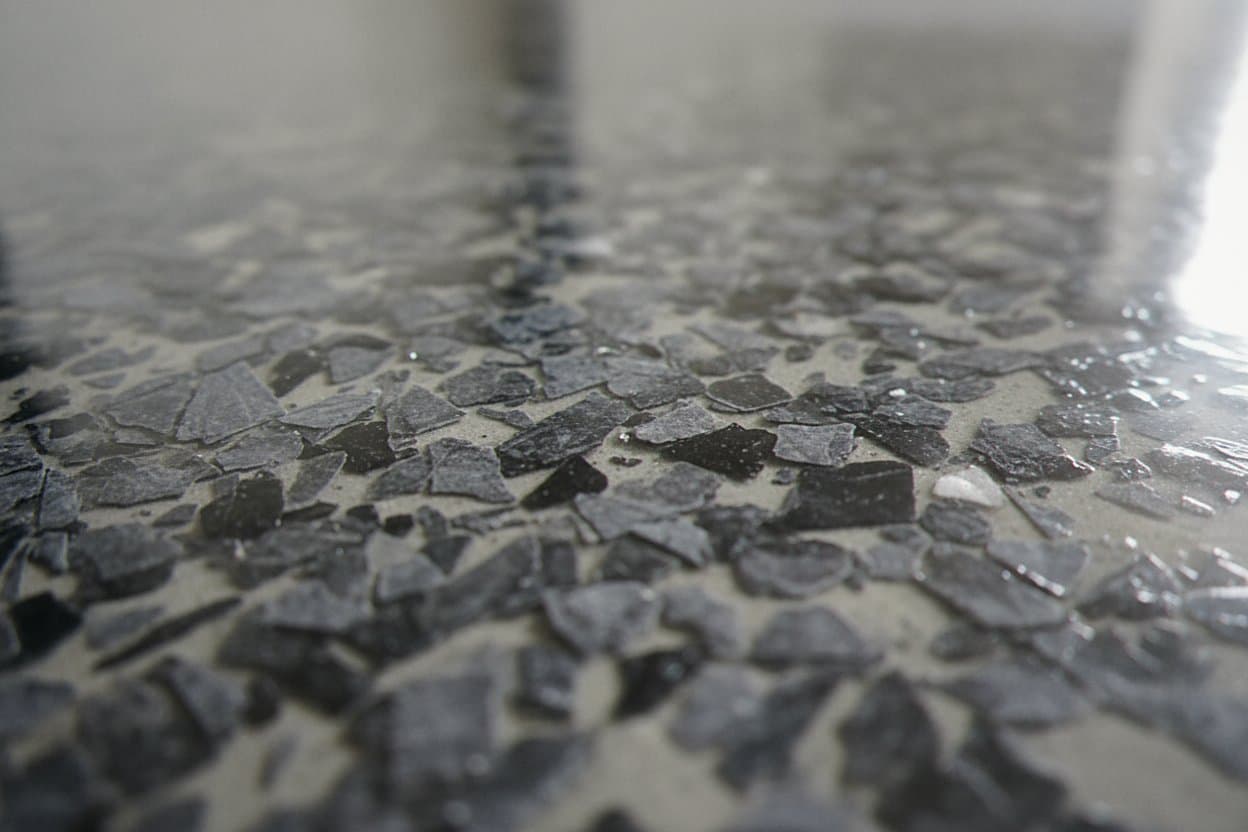
Cured polyaspartic film over charcoal flake base.
What we install

Polyaspartic and epoxy are not the same product

Most people call the whole floor epoxy. The truth is layered. A floor like this gets built in coats, and the top coat is the one that takes the sun, the tires, and the salt while the color sits safe underneath. Plain epoxy struggles up top. It can yellow and go chalky once daylight pours through an open garage door for a season or two. A polyaspartic topcoat stays clear and eats that daily abuse instead. For the full stack, start with our garage floor epoxy and let the polyaspartic seal the top.

Polyaspartic is a fast cure cousin of the resins used on shop floors. We lay it down thin. With a roller and a fine squeegee, our crew spreads it just a few mils deep, then works it into the epoxy below while the chemistry is still open and willing to bond. That window matters. Hit it right and two coats fuse into one solid sheet with no weak seam between them. Most floors take foot traffic the same night, and cars roll in a day or so later.

  • Stays clear under sunlight, so the floor does not yellow by a window or door.
  • Shrugs off hot tires, road salt, and dripped oil without lifting.
  • Cures fast, so you walk on the polyaspartic the same evening in most cases.
  • Bonds chemically with the epoxy underneath. No weak plane between the layers.
  • Goes down in cold weather that would stall a plain epoxy coat.
The epoxy gives you the color. The polyaspartic gives you the floor that takes the abuse.

We work on garage and shop floors all over Livonia and the rest of Wayne County. Winters here are rough. Salt, slush, and hot tires pulling into a cold slab will find the weak spot in any cheap finish, which is exactly the mix a polyaspartic topcoat is built to shrug off. So that is what we reach for. Our crew preps the slab, lays the base, and seals the top in one tight visit. You deal with us start to finish. We answer the phone when you call.

Tell us about your floor and how you actually use the space. We will walk you through the polyaspartic topcoat, the color options, and the timing that fits your week. Then you pick a date. Call when you are ready.

Materials

The chemistry, briefly

Polyaspartic sits in the polyurea family. Picture a tough, clear plastic that pours on as a liquid and then locks up hard. The clear grade lets light pass straight through without the yellow tint plain epoxy tends to pick up after a few summers by a window or door. That is the whole point. It is the last coat you see and the one you walk on.

We control the cure with the blend we mix on site. Speed is a dial. A slower mix buys our crew time to pull an even coat across the whole slab, while a faster mix lets the floor harden and come back to use before the day is out. The film stays just a few mils thick. That is plenty for a home or a shop.

  • The clear backbone keeps the film from yellowing in daylight.
  • Polyaspartic goes on thin, just a few mils, and still takes hard use.
  • It sets fast, so the floor is back in service the same day.
  • Harder than a typical floor sealer, which is what beats tire pickup.
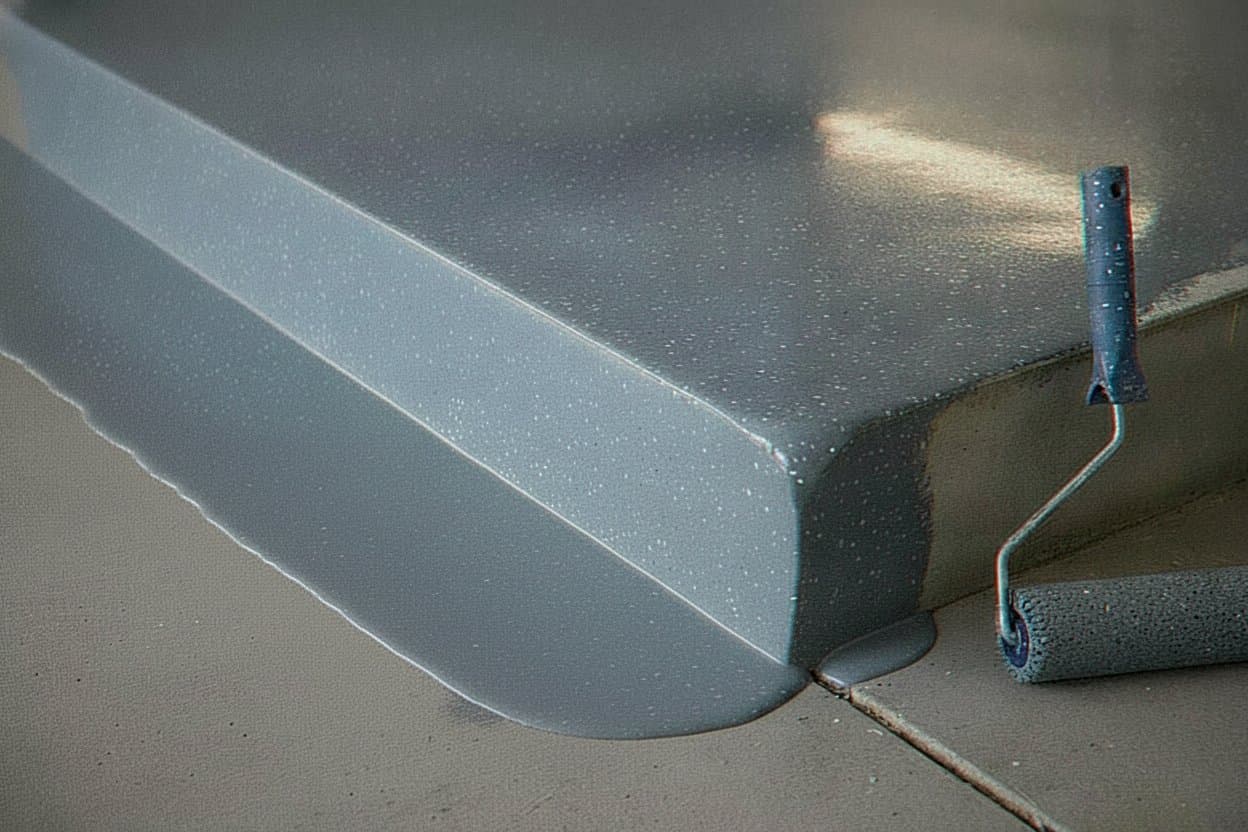
Topcoat rolling over flake lip at step.
Glassy polyaspartic finish reflecting light at sunset.
What about the alternatives?

Polyaspartic versus the other topcoat candidates

A few products can go over an epoxy base as the top coat. Most of them trade away one thing you need, like clarity, grip, or speed. Here is how the common ones stack up against polyaspartic.

Clear epoxy as a topcoat

It looks great on day one, then yellows and chalks once sunlight hits it.

Skip

Solvent based polyurethane

Tough and clear, but the fumes are strong and it sets slower than we like.

Acceptable

Water-based acrylic floor sealer

Cheap and easy to roll, yet thin, so it wears off the high traffic lanes fast.

Acceptable

Urethane mortar

Built for heavy plants and wet kitchens. More floor than a home garage needs.

Recommended

Polyaspartic

Clear, hard, and fast. It stays put under sun, salt, and hot tires.

Recommended
How it goes

From quote to walk-on, fast.

01

Free walk-through

02

Prep the slab

03

Coat and broadcast

04

Polyaspartic topcoat

Before you book

What to confirm about the polyaspartic pass before booking

A good polyaspartic job lives or dies on a few details. Ask these before you sign anything.

What temperature and humidity will the install run at?
Polyaspartic is picky. Before we open a single kit, our crew reads the floor temperature, the room air, and the dew point, because a coat poured in the wrong conditions can bubble or stay tacky for days. We book the pour for when the numbers line up.
How much polyaspartic is going on the floor, in mils?
Coats are measured in mils, which are just thousandths of an inch. We tell you the target polyaspartic thickness up front, then mix and spread to hit it on the floor. Too thin wears early. Too thick can cloud the finish or trap heat as the chemistry kicks off and sets.
Is the polyaspartic landing inside the epoxy's recoat window?
The base epoxy has a recoat window, a stretch of hours where the next coat still grabs and fuses to it. Timing is everything. We plan the whole day around that window so the polyaspartic lands well inside it, because a coat that goes down late can split away from the base months later. We sequence every step around that clock.
Are there cases where polyaspartic is the wrong topcoat?
Yes. On a few floors something else wins, like a shop that sees constant standing water or harsh acids, and in those rooms a different topcoat will outlast polyaspartic. We say so. We would rather point you right than sell you the wrong thing, because the goal is a floor that holds up to how you really use it.
Can the topcoat be refreshed later without ripping the floor out?
Most of the time, yes. A polyaspartic topcoat can be scuffed and recoated down the road, so a tired floor gets its shine back without anyone tearing it down to bare concrete. That keeps a future refresh fast and far easier than a full rebuild.
Aftercare

How a polyaspartic floor ages across the years

A polyaspartic floor is easy to live with. Spills bead up. Dirt and road salt sit on the surface instead of soaking in, so a quick rinse or a soft mop clears them in minutes. Sunlight through the garage door will not yellow the clear coat. Treat it kindly and it holds its look for a long time.

  • Sweep or rinse off road salt after winter drives so it does not pile up.
  • Wipe spills like oil or paint while they are fresh with a soft cloth.
  • Use a soft mop and plain mild soap, never a harsh acid cleaner.
  • Put felt pads or a mat under floor jacks and heavy stands.
  • Call us for a quick scuff and recoat when the shine starts to dull.
Slate flake floor under shiny polyaspartic coat.
FAQ

Common questions about polyaspartic in Livonia

What separates epoxy from polyaspartic, in practice?
How are coating jobs typically priced in this market?
Are winter installs realistic in southeast Michigan?
Will the floor pick up or stain under hot tires?
Ready when you are

Ready for a real Livonia floor?

Send a few photos or book a free 15-minute on-site walk-through. A fixed written quote within one business day.

Get a free quoteCall (734) 237-6782
CallFree Quote